RIPE@2026

The 13th Biennial RIPE Conference

Home

About
The 13th Biennial RIPE
Conference

The 13th biennial RIPE conference will take place in Taipei, Taiwan, from 20-23 October 2026. It will be sponsored by the Taiwan Public Television Service Foundation (PTS) and hosted by the School of Communication at National Chengchi University in Taipei. Our theme focuses on the Politics and Public Service Media (PSM).

Many have observed that politics are an inevitable aspect of public service media policy with significant implications for practice. PSB was established partly on a political foundation in the early decades of 20thcentury, mainly in Europe, with a mission to serve people as citizens rather than consumers, to preserve and promote cultural diversity, to care about the interests of disadvantaged and minority groups, and above all to maintain an independent stance vis a vis both the state and market. Today, PSB has become PSM and is challenged by digitalization, platformization, international media companies, escalating costs for content rights, especially in sports, public value testing requirements, and uneven competitive performance. Promoting cultural diversity and encouraging tolerance across sociocultural aspects are under attack by far-right political movements.

In the Asia-Pacific region, public broadcasting is navigating development challenges in a context of shifting geopolitical dynamics. Lacking European traditions, Taiwan PTS confronts unprecedented challenge to its budget, its international news role, the intended purposes of the Taiwanese Language Channel, and neo-colonialism dispute over some historical related programs. The Conservative party has been especially active in holding PSM accountable. The rise of commercialization and digitalization has been complicated and complex.

For the first time, the RIPE@2026 conference will focus attention on the politics of PSB/PSM, a critical area of contemporary discourse in a globally inclusive dialogue. The conference welcomes paper proposals relevant to six aspects of crucial importance that although distinct are interconnected.


Conference Theme /

Politics and Public Service Media

Time & Location /

20-23 October 2026, Taipei, Taiwan

Important Dates.
Call for Abstract Deadline:
1 April 2026

Announcement of Review Results:
29 May 2026

Early-bird Registration:
Between early June to July

Full Paper Submission Deadline:
28 August 2026

Conference

Hosts

National Chengchi University (NCCU)
National Chengchi University (NCCU) was founded in 1927. Through more than nine decades of development and transformation, the University has continuously upheld its motto, “Harmony, Independence, Balance, and Preeminence.” NCCU is committed to refining its teaching methods and advancing academic research in order to cultivate talent for Taiwan and the global community. NCCU currently comprises 12 colleges covering a wide range of disciplines, including Liberal Arts, Law, Commerce, Science, Foreign Languages, Social Sciences, Communication, International Affairs, Education, Innovation, Informatics, and Global Banking and Finance. The University offers 34 departments, one undeclared major in the College of Communication, 43 master’s programs, and 34 doctoral programs. In addition, NCCU provides 12 in-service master’s programs, as well as seven international master’s programs and an international doctoral program. At the university level, NCCU hosts 10 research centers, including the Institute of International Relations, Election Study Center, Center for the Third Sector, Center for Creativity and Innovation Studies, Taiwan Studies Center, Center for China Studies, Humanities Research Center, Center for Aboriginal Studies, Center for Mind, Brain and Learning, and the Center for the Study of Chinese Religions. Furthermore, NCCU has established a comprehensive educational system spanning from preschool to doctoral education through its affiliated institutions, which include a senior high school, an experimental elementary school, and a kindergarten.
Public Television Service (PTS)
With the passage of the Public Television Act by the Legislative Yuan, the Taiwan Public Television Service Foundation (PTS Foundation) was established as a non-profit foundation to operate the Public Television Service (PTS), which began broadcasting on July 1, 1998. The primary objective of PTS is to establish a public service mass media system and to address the limitations of commercial television. In 2006, the Legislative Yuan completed the third reading and approved the Statute Regarding the Disposition of Government Shareholdings in the Terrestrial Television Industry, paving the way for the establishment of the Taiwan Broadcasting System (TBS). Following the donation of Chinese Television System (CTS) shares by the Liming Foundation to the PTS Foundation, TBS was formally established. Later that same year, Chinese Television System (CTS) joined TBS, with Hakka TV joining in 2007, completing the current structure of the system. Most recently, PTS launched the PTS Taigi Channel on July 6, 2019, further expanding its commitment to linguistic and cultural diversity. As an independent public service broadcaster trusted by the public, PTS aims to provide high-quality, value-added programming across a wide range of genres, showcasing Taiwan’s diversity and creativity while remaining free from commercial and political interference.

Plenary Speakers

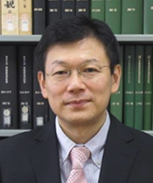
Nobuto Yamamoto / Prof.

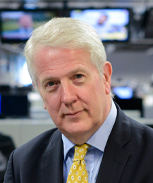
Nobuto Yamamoto is professor of Keio University, exploring themes of asian modernity, media politics, and international relations. He has delivered numerous lectures at international conferences and universities, where he shares his expertise on Indonesian politics, nationalism, colonial cosmopolitanism, and the intersections of media and political transformation.

Terry Flew / Prof.

Terry Flew is professor of Digital Communication & Culture, Faculty of Arts & Social Sciences at The University of Sydney and an Australian Research Council (ARC) Laureate Fellow. He is also co-director of the Centre for Artificial Intelligence, Trust and Governance (CAITG). CAITG is a flagship centre of the Faculty of Arts and Social Sciences with Sydney Law School, Sydney Business School, and the School of Architecture, Design and Planning.

Maraos / Chairperson of TITV

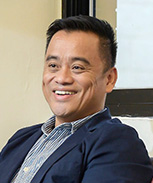
Maraos is a member of the Tao (Yami) indigenous community of Taiwan. He currently serves as chairperson of the Indigenous Peoples Cultural Foundation (IPCF) and previously held the position of secretary of the Lanyu Township Office. In the realm of public service, he has long been committed to indigenous affairs, contributing through his role in local government and sustained involvement in Indigenous social movements.

Call for Papers

The forthcoming RIPE@2026 conference will take place in Taipei, Taiwan, from 20-23 October 2026. It will be sponsored by the Taiwan Public Television Service Foundation (PTS) and hosted by the School of Communication at National Chengchi University in Taipei.

The topic for RIPE@2026 is Politics and Public Service Media. In this regard, the organizers welcome paper proposals that address the following topics:

  • Political Dynamics, Media Capture and PSM Autonomy
  • Geopolitics, Global Power Shifts, and the Evolution of PSM
  • Policy-Making and Regulatory Regimes in a Shifting Media Environment
  • PSM in the Digital Age: Navigating Disinformation and Platform Power
  • Trust, Neutrality, and Public Legitimacy: The Political Battleground
  • Emerging Agendas: Sustainability, DEI, and the Future Mandate of PSM

We welcome the submission of abstracts (max. 600 words plus title page) until 1 April 2026. Abstracts are only accepted if submitted through the conference platform.
Go to submission platform

Review decisions will be finalized in May, and notifications of acceptance will be sent on 29 May 2026. Accepted authors are expected to submit their full papers by 28 August 2026. Conference registration will be possible from early June.

For any queries, please contact the conference organization team at ripe2026nccu(at)gmail.com

The full call for papers and additional conference information is available here:
Download

Conference Venue

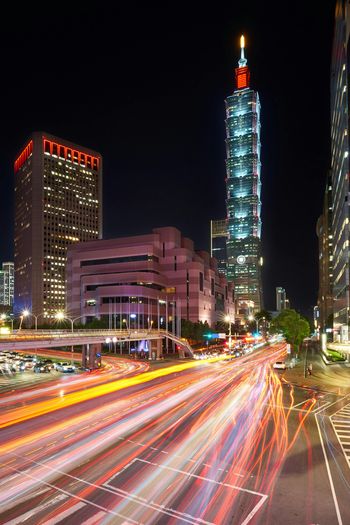
Taipei City

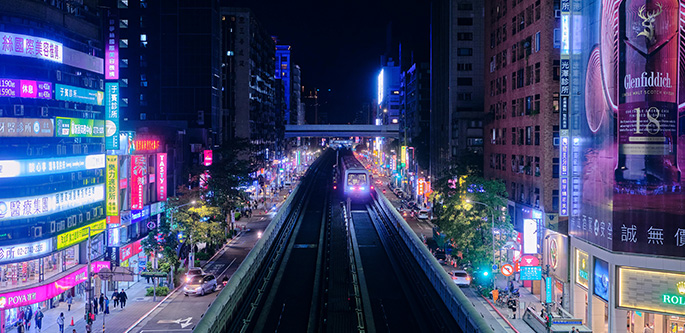
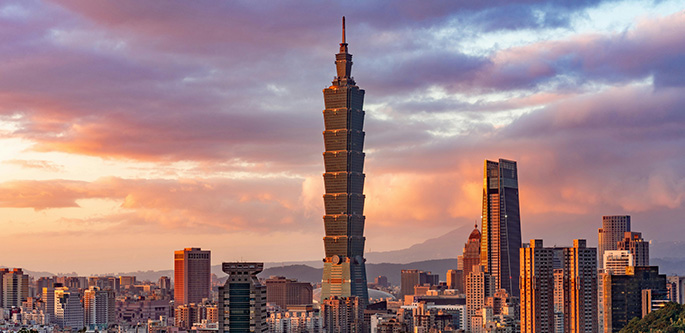
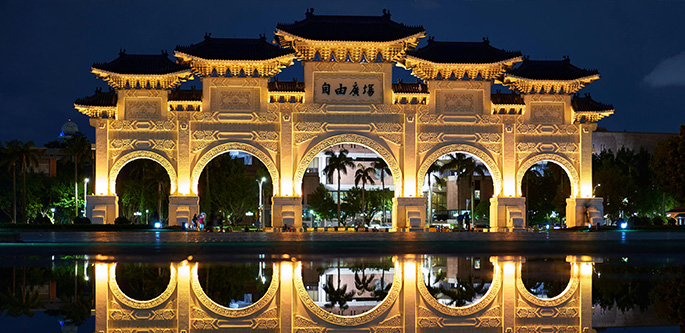
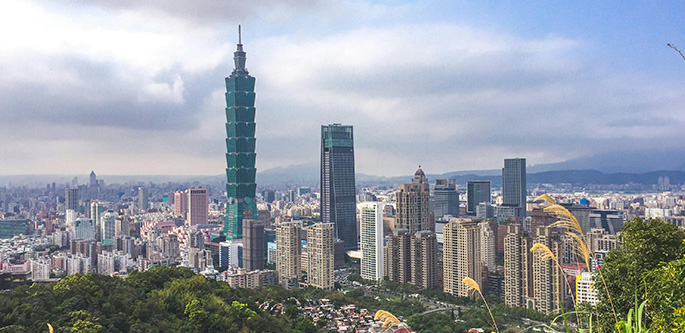
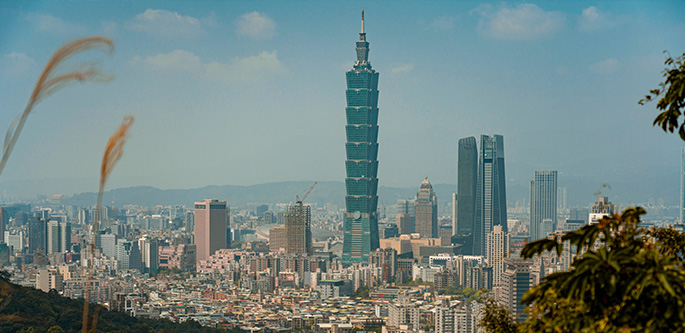
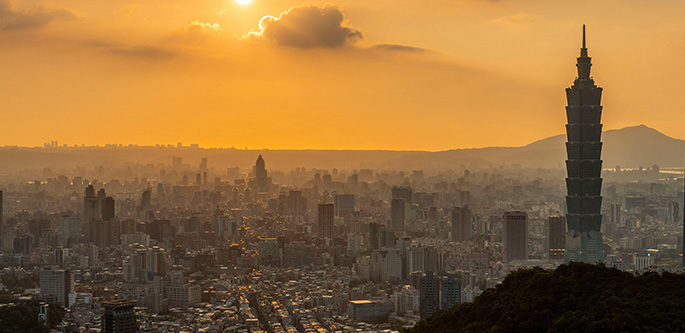
Taipei, the vibrant capital of Taiwan, stands as a premier metropolitan hub defined by mature governance, robust media freedom, and strategic urban evolution. Surrounded by lush mountains and winding river systems, the city combines a dense urban core with immediate access to natural landscapes.

A high level of livability is supported by efficient public transportation network and inclusive public services. Its compact urban fabric fosters a dynamic synergy between academic institutions, cultural landmarks, and the pulse of everyday life.

As a regional leader in democratic governance and press freedom, Taipei’s cultural scene is deeply intertwined with dialogues on media representation and social diversity. The diverse social landscape is underpinned by long-standing practices of civic participation in the public sphere.

Travel Information

Please find helpful arrival and departure informatoin (including airport transportation)
Explore Taipei City
Transportation in Taipei City
Taipei offers a convenient and efficient transportation system, including taxis, the MRT metro, and an extensive bus network, making it easy to get around the city and beyond:
MRT (Taipei Metro)
Public Bus
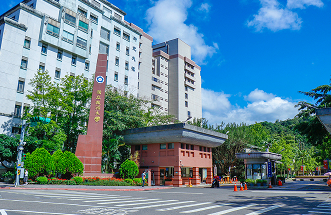
National Chengchi University (NCCU)

National Chengchi University
(NCCU)

No. 64, Sec. 2, Zhinan Rd., Wenshan District, Taipei City 116302, Taiwan (R.O.C.)

National Chengchi University (NCCU), reestablished in Taipei in 1954, is a leading university in Taiwan with strengths in the humanities, social sciences, and communication. It is known for its focus on disciplines such as politics, law, commerce, and international affairs, as well as its engagement in media research, cultural studies, and international academic exchange.

MAP
Public Television Service (PTS)

Public Television Service
(PTS)

No.100, Lane 75, Sec. 3, Kang Ning Rd., Taipei 114, Taiwan (R.O.C.)

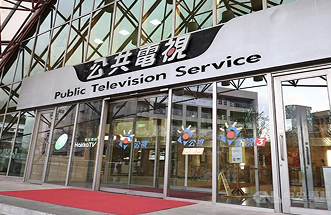
Public Television Service (PTS), launched in 1998, is Taiwan’s first independent public broadcaster. Established under the Public Television Act and operated by a non-profit foundation, it is dedicated to public interest and editorial independence, producing programming that reflects Taiwan’s democratic development and cultural diversity.

MAP
Taiwan Contemporary Culture Lab (C-LAB)

Taiwan Contemporary Culture Lab
(C-LAB)

No. 177, Sec. 1, Jianguo S. Rd., Da’an Dist., Taipei City 106, Taiwan (R.O.C.)

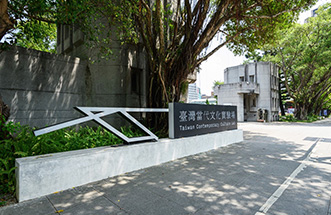
Taiwan Contemporary Culture Lab (C-LAB), launched in 2018, is a forward-looking base for cultural experimentation operated by the Taiwan Living Arts Foundation in affiliation with the Ministry of Culture.

MAP

Registration & Accommodation

Registration Fees

STANDARD
375€
Early Bird
325€
Students
175€

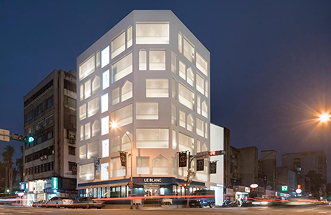
Accomodation

Swiio hotel daan

Swiio hotel daan

No. 185, Section 1, Daan Road, Daan District, 106 Taipei, Taiwan (R.O.C.)

Tel: +886-2-2703-2220

*Special Rate via Official Website (10% discount for stays of 3 consecutive nights

Reservation

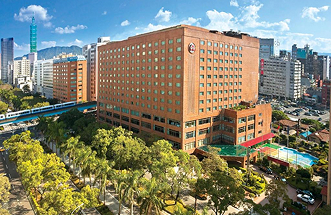
Howard Plaza Hotel Taipei

Howard Plaza Hotel Taipei

No. 160, Sec. 3, Ren'ai Rd., Da'an Dist., Taipei City, 106, Taiwan (R.O.C.)

Tel: +886 2 2700 2323

Reservation

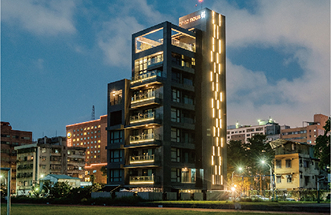
Chez Nous Hotel

Chez Nous Hotel

No. 18, Ln. 147, Sec. 3, Xinyi Rd., Da’an Dist., Taipei City, 106, Taiwan (R.O.C.)

Tel: +886 2 2701 8110

Reservation

Conference Program

Global

Contact

RIPE@2026 Conference・National Chengchi University

Contact→